Mexican Rice vs. Spanish Rice: Unraveling the Culinary Mystery and Key Flavor Differences
For many culinary enthusiasts, the terms "Mexican Rice" and "Spanish Rice" are often used interchangeably, leading to a swirl of confusion. While both are vibrant, flavorful rice dishes deeply rooted in Hispanic culinary traditions, they possess distinct characteristics that set them apart. Understanding these differences isn't just about semantics; it's about appreciating the unique cultural heritage and flavor profiles each dish brings to the table. If you've ever wondered why that delicious red rice at your favorite Mexican restaurant tastes different from the saffron-infused rice you've had elsewhere, you're about to uncover the fascinating distinctions. This article will delve into the heart of what makes each dish special, focusing on the key flavor nuances, texture differences, and the cultural significance of an authentic
Mexican rice recipe.
The Heart of Mexican Cuisine: Unpacking the Authentic Mexican Rice Recipe
Often called *Arroz Rojo* (red rice) or *Arroz a la Mexicana*, an authentic Mexican rice recipe is a staple in homes across Mexico, deeply woven into the fabric of daily meals and celebrations. It's more than just a side dish; for many, it's a comforting anchor that complements everything from tacos and enchiladas to a simple fried egg and beans. The defining features of this beloved rice lie in its vibrant color, soft texture, and a flavor profile that is both savory and subtly sweet with a gentle warmth.
The magic of Mexican rice begins with its foundational ingredients. Fresh tomatoes or a rich tomato sauce are paramount, lending not only its characteristic reddish-orange hue but also a crucial sweetness and acidic balance that brightens the entire dish. This tomato base is often sautéed with aromatic garlic and onion, forming a flavorful sofrito before the rice is introduced. A secret ingredient, often passed down through generations, is the use of rich chicken broth. This isn't just any liquid; the broth infuses every grain with an incredible depth of savory umami, making each bite truly satisfying. For those who enjoy a little kick, a serrano pepper or jalapeño can be finely diced and cooked alongside the aromatics, imparting a delightful, yet manageable, heat. The result is a fluffy, tender rice where every single grain bursts with the integrated flavors of tomato, garlic, onion, and savory broth. This reliance on whole, fresh ingredients is what truly sets an authentic
mexican rice recipe apart, creating a complex and irresistible taste that processed ingredients simply cannot replicate.
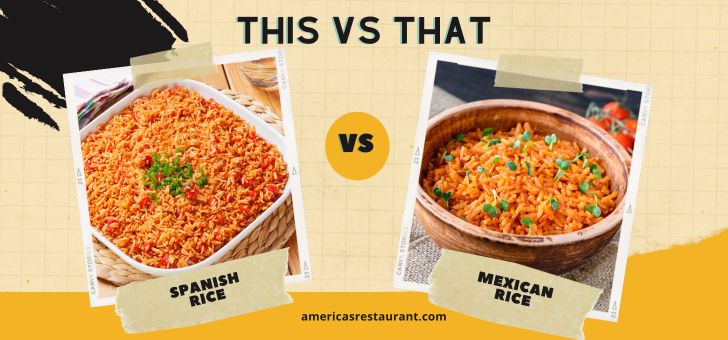
Mexican Rice vs. Spanish Rice: A Culinary Showdown of Flavor and Texture
While both Mexican and Spanish rice dishes are incredibly popular and comforting, their flavor profiles, textures, and origins diverge significantly. The most fundamental difference lies in their primary flavoring agents and the culinary traditions they represent.
* **Flavor Profile:**
* **Mexican Rice:** The predominant flavor in Mexican rice is undeniably *tomato-forward*. You'll taste the natural sweetness and mild acidity of tomatoes, often balanced by the pungency of garlic and onion, and the savory depth of chicken broth. There's an earthy richness, often a hint of warmth from chili peppers (like serrano or jalapeño), and a comforting, homestyle appeal. It's a robust flavor that stands up well to other bold Mexican dishes.
* **Spanish Rice:** Traditional Spanish rice, particularly when we refer to dishes like paella, is famously characterized by *saffron*. Saffron imparts a distinct floral, slightly sweet, and almost metallic aroma and flavor, along with its signature golden-yellow hue. Unlike Mexican rice, which uses tomatoes as its primary color and flavor base, Spanish rice relies on saffron for both. Other common flavors include olive oil, paprika, and often seafood or meats, which are cooked directly within the rice, adding another layer of complexity. The flavor tends to be more delicate and aromatic than its Mexican counterpart.
* **Texture:**
* **Mexican Rice:** A hallmark of a great Mexican rice recipe is its soft, fluffy, and slightly moist texture. The rice grains absorb the flavorful broth and tomato mixture, becoming tender without being mushy. It's typically designed to be scooped and enjoyed alongside other dishes, providing a comforting, yielding contrast.
* **Spanish Rice:** Spanish rice often aims for a firmer, almost *al dente* texture. The grains are typically more separate, with a bit more bite. In dishes like paella, there's also the coveted *socarrat* – a crispy, caramelized crust that forms at the bottom of the pan, a texture unique to this style of preparation and highly prized. This firmer texture is intentional, allowing the rice to hold up well to the various meats and seafood often incorporated.
* **Key Seasonings and Ingredients:**
* **Mexican Rice:** Relies on tomatoes (fresh, sauce, or purée), chicken broth, onion, garlic, and sometimes chili peppers.
* **Spanish Rice:** Features saffron, olive oil, and often includes a wider array of ingredients cooked directly in the dish, such as chorizo, chicken, rabbit, or seafood (in the case of paella). Tomato might be present in some Spanish rice dishes, but it won't be the defining flavor or color agent as it is in Mexican rice.
In essence, while both are delicious in their own right, thinking of Mexican rice as the comforting, tomato-rich, and slightly spicy cousin, and Spanish rice as the elegant, saffron-infused, and often seafood-laden relative helps to distinguish their unique culinary identities.
Beyond the Basics: Variations and Secrets to the Perfect Mexican Rice Recipe
The beauty of a Mexican rice recipe lies in its versatility and the subtle variations that exist from one family kitchen to another. While the core elements remain consistent, cooks often add their personal touch, making each batch uniquely delicious.
One common variation involves the choice of fat. While oil is widely used, some traditional recipes might call for lard or margarine, each contributing a slightly different richness to the final dish. Another prevalent practice, particularly in Mexican kitchens, is the use of tomato bouillon or chicken bouillon dissolved in water. These concentrated flavor enhancers can substitute for fresh tomatoes or chicken broth, providing an additional layer of umami and color, though many prefer the fresh flavor of whole ingredients.
Achieving the perfect texture is crucial for a truly authentic Mexican rice recipe. The best rice to use is a **long-grain variety** such as Basmati or Jasmine. These types of rice contain less starch compared to medium or short-grain varieties, which helps prevent the rice from becoming gummy or clumpy. A vital step in the process, often overlooked, is **toasting the rice** in a little oil before adding any liquid. This step creates a nutty flavor and helps each grain maintain its individual integrity, resulting in that desirable fluffy texture.
When it comes to cooking equipment, the right pot can make all the difference. A heavy-bottomed pot, ideally at least 4 inches deep and 9 inches wide, provides even heat distribution, preventing hot spots and ensuring the rice cooks uniformly. Once the liquid is added, it's essential to bring it to a boil, then reduce the heat to a gentle simmer, cover tightly, and resist the urge to peek! Allowing the rice to steam undisturbed is key to its fluffy texture. Finally, after the cooking time, let the rice **rest for 5-10 minutes** off the heat before fluffing with a fork. This allows the steam to redistribute, resulting in perfectly tender grains.
For those who prefer a different flavor profile or simply want a break from the tomato-rich *Arroz Rojo*, *Arroz Blanco* (Mexican White Rice) offers a fantastic alternative. Made without tomatoes, it focuses on the aromatic qualities of sautéed onions and garlic, often with a touch of fresh cilantro or lime, creating a simpler yet equally flavorful side.
Elevating Your Mexican Rice Experience
Once you've mastered a classic Mexican rice recipe, the possibilities for enjoyment are endless. It's the quintessential accompaniment to virtually any Mexican meal, from sizzling fajitas to hearty burritos and savory tamales. Beyond its role as a side, Mexican rice can easily be transformed into a meal itself. Serve it warm with a side of black beans and sliced avocado, or top it with a perfectly fried egg for a satisfying and comforting dish. The vibrant flavors also make it an excellent base for rice bowls, perhaps with grilled chicken or roasted vegetables.
For meal prep, Mexican rice holds up beautifully. It can be made ahead of time and stored in an airtight container in the refrigerator for up to 3-4 days. When reheating, a splash of water or broth and a quick microwave zap or stovetop warm-up will bring it back to its fluffy glory. This makes it an incredibly practical and delicious component to incorporate into your weekly menu.
Conclusion
The journey through the world of Mexican Rice and Spanish Rice reveals that while they share a common lineage of being flavorful rice dishes, their distinct identities are forged in their unique ingredients, preparation methods, and cultural significance. Mexican rice, with its robust tomato-forward flavor, tender texture, and comforting familiarity, is a testament to the rich culinary traditions of Mexico. Mastering an authentic
Mexican rice recipe not only equips you with a versatile and delicious side but also connects you to a beloved culinary heritage that has brought joy to generations. So, the next time you're craving that vibrant, savory red rice, remember the secrets of *Arroz Rojo* and savor every flavorful bite.